
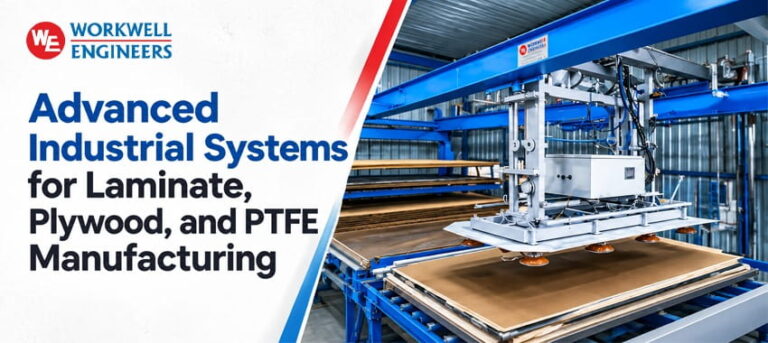
Hydraulic presses are a key part of today’s manufacturing. They use the force of applied pressure to form and shape materials, mould and compression and process different types of materials, for manufacturing processes such as PTFE sheet moulding, plywood production and industrial lamination. Choosing the most suitable Hydraulic Press Manufacturer in India can ensure smooth running manufacturing processes, and high and consistent results.
Industries vary in their urgent needs. Certain applications need machines that are high-tonnage. Others need specific configurations, a tight pressing cycle, or press tools designed around a specific moulding process. Knowing these needs can help companies find the right presses for their manufacturing operations.
Importance of Hydraulic Press Machines in the Manufacturing Process
A hydraulic press generates force by means of hydraulic pressure and a cylinder / piston assembly. The generated force is exerted on the material to be pressed in between pressing surfaces or a mould. According to the type of machine, the press performs moulding, compression, forming and lamination.
Knowing that there are numerous factors to be taken into consideration; material property, pressure needed, production quantity, cycle time and arrangement of the machine, the top Hydraulic Press Manufacturer India will develop the solution.
In the industry, hydraulic presses are often used for these exceptional uses:
– PTFE sheet and billet moulding
– Plywood and particle board pressing
– Lamination sheet processing
– Compression and forming of the material
– Special purpose industrial pressing operations
The purpose of the machine must be considered as various materials and manufacturing methods are suited to different pressure conditions.
Various Kinds of Hydraulic Press Equipment
Different types of hydraulic presses are suitable for various manufacturing processes. The choice of the best design solution is based on the nature of working mode, dimensions of the workpiece and the pressing force.
1. Special Purpose Hydraulic Press
Special purpose presses are made for a specific industrial application and are not used for general pressing tasks. They can be designed with a specific layout, construction and features to meet a specific production need.
In the case of PTFE moulding work, adequate provision must be made for handling moulds, for regulating the pressing cycle and pressure. The pressing applications for plywood and lamination are different.
Using a custom machine manufacturers can tweak the design of equipment to fit their work flow.
2. Vertical Hydraulic Press
Where the pressing motion of the machine takes place vertically, vertical hydraulic presses are generally used. Their configuration lends itself well to supporting moulding and compression operations, especially when material is to be placed between two complementary pressing faces that face one another in a vertical direction.
The working height needed, cylinder configuration and pressing capability are determined by the application.
3. Horizontal Hydraulic Press
It is applicable for handling the production process, and it also involves the horizontal pressing arrangement. It can be designed according to the size of the material, the length of the mould and the production workshop.
The choice of configuration should depend on the production process and should not be determined solely by the appearance of the machine.
Hydraulic Press Uses in Various Industries
The usefulness of a hydraulic press is determined by how much pressure the press can exert and the operating configuration of the press needed by the material.
PTFE Sheet and Billet Moulding
PTFE processing are important to achieve billets and sheets with the appropriate material properties. Pressing equipment must be capable of accommodating the size of the mould, as well as the desired capacity and cycle time.
As with many processes, a hydraulic press moulding PTFE part, can be custom-built for specific moulding. It may incorporate features such as a particular die configuration and a predetermined cycle to facilitate more manageable production.
Companies requiring a hydraulic press manufacturer in India to undertake PTFE molding must determine whether the design of the press is with sheet moulding, billet moulding or both.
Plywood and Particle Board Manufacturing
Machine for softboard, veneer, plywood, chipboard: Plywood and chipboard production include pressing process, which needs a proper force distribution on the material. The machine needs to consider the size of the panels, also the needs of manufacturing.
In these areas the use of pressing equipment is specified according to the size of the board, production capacity and required performance. The right set-up will enable the even pressing during the production cycle.
Industrial Lamination
Lamination is the process of bonding layers of material together under controlled conditions. When considering hydraulic presses for lamination applications you will want one that can provide the required working area, pressure and cycle.
Selecting machines according to material and process selection can be helpful to the manufacturers to sustain an appropriate process rather than using the equipment that could not fit their needs.
Factors to Consider Before Selecting a Hydraulic Press
When purchasing industrial equipment, it is recommended to look beyond machine prices and maximum tonnage. Here are some technical and operational considerations to make sure your investment is a sound one.
Pressing Capacity
Capacity is also a key factor. The tonnage you need will vary depending on the material, the size of the mould and the pressure necessary to perform the desired task. A machine with an incompatible capacity can reduce throughput.
Machine Configuration
Arrangements of vertical, horizontal, up-stroke, down-stroke and double acting are selected according to needs and the arrangement should be in line with the production, the way in which moulds are handled and the factory layout.
Application-Specific Design
The manufacturer of the PTFE moulding machine is not, however, necessarily suitable for use with the plywood or lamination process without further specialist consultation. The operational details should always be clarified beforehand.
Operation and Safety
Since industrial presses can exert considerable force, it is important that they are operated safely. When making your choice, you should ensure that there are appropriate safety features, convenient controls and easy maintenance.
After-Sales Support
Installation guidance, technical support, maintenance and service information availability are factors which are relevant in this context. They can have an impact on the machines’ long-term operation and production continuity.
Why Customised Hydraulic Press Solutions Matter
The production layout, material demands and operating conditions are individual to each factory. Standard equipment is not always compatible. Customised press systems can be designed to meet the specific demands of the production system.
A knowledgeable Hydraulic Press Manufacturer in India can be able to evaluate the application before determining the suitable machine configuration including the capacity, working dimensions and machine arrangement.
Here are a few examples of customisation options: pressing direction, tube or pillar arrangement, operating mechanism, working area, and other features relevant to your application. Such options allow a company to choose a machine that fits their actual production.
Supporting Industrial Production with Specialised Engineering
Workwell Engineers supplies custom-built and bespoke hydraulic presses for PTFE sheet and billet moulding, plywood and lamination. Our special purpose hydraulic press range has various configurations and capacities based upon various industrial demands.
Manufacturers should agree production goals, material requirements, mould sizes and operating conditions with the supplier before purchase to determine the suitability of the proposed machine.
The Hydraulic Press Manufacturer in India should also be familiar with the capacity, configuration, application requirements of the machine instead of finding a common answer for all the enterprises.
Conclusion
A range of key manufacturing processes can be supported by a hydraulic press such as: PTFE moulding; Plywood pressing; Industrial lamination; Find out which is the best model for your plant using our guide.
It is necessary to test the aptitude of the machine, its configuration, application design, safety, and technical support, among other things before investing in the equipment. To assist in finding the right equipment that meets all your manufacturing demands and maintains your recurring industrial activity, consider consulting a Hydraulic Press Manufacturer in India.